
🇵🇹 Portugal at a Glance
📌 Bookmark this page for quick access before and during your journey.
Planning a trip to Portugal? Here's a quick reference guide to some of the most common questions travelers ask before they go.
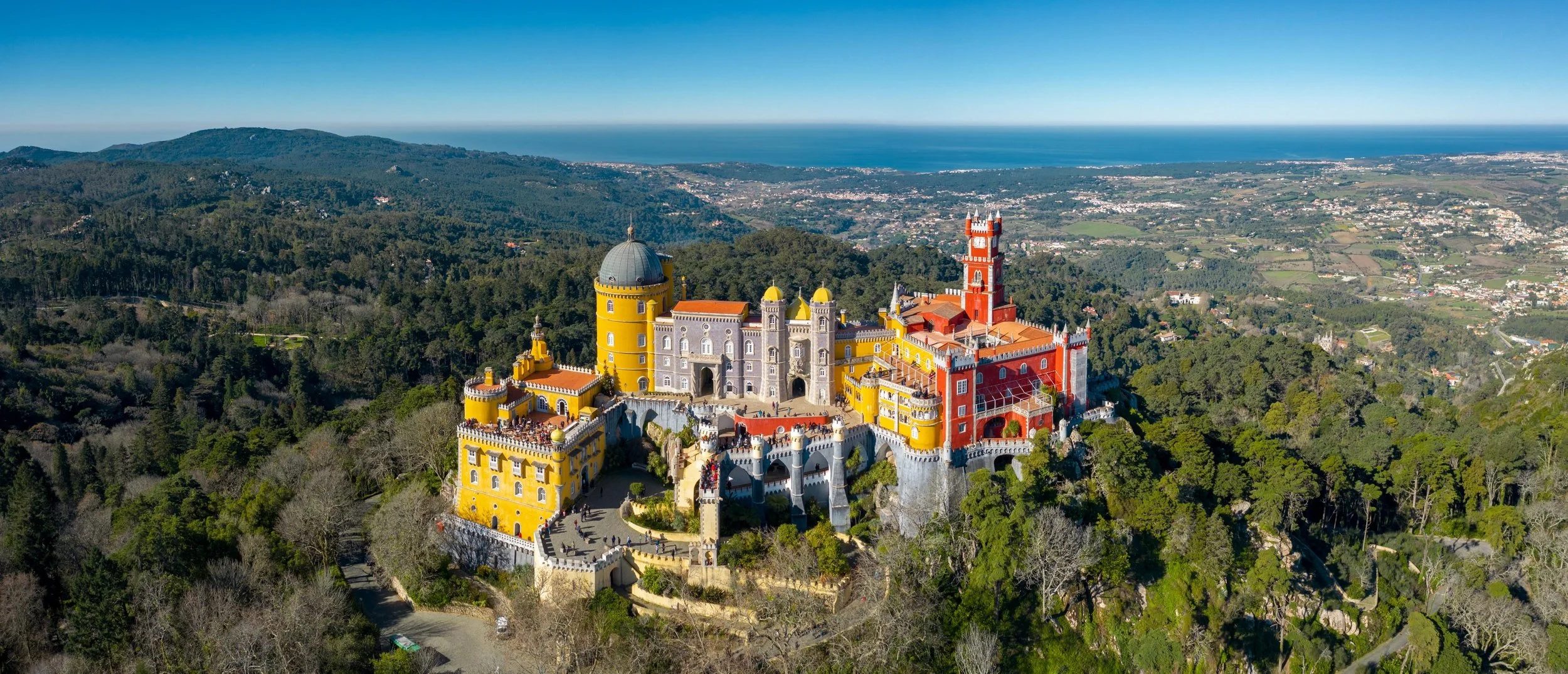
Portugal Quick Facts
Language Portuguese
Currency Euro (€)
Emergency Number 112
Plug Types C & F
Voltage 230V / 50Hz
Time Zone WET / WEST
Tap Water ✅ Safe to Drink
Credit Cards Widely Accepted
Tipping Optional, but appreciated
Portugal's mainland and Madeira use UTC in winter and UTC+1 in summer. The Azores are one hour behind mainland Portugal.
Money Matters
Currency
Currency: Euro (€)
Credit cards are widely accepted, particularly in cities and tourist areas. Portugal also has an extensive Multibanco ATM network.
Carry cash for cafés, small shops, markets, public restrooms, and places that may have a minimum card purchase.
Tipping
Tipping is not mandatory, but it is appreciated for good service. Portugal's tourism authority notes that restaurants generally include service in the bill, with an additional 5–10% customary when you want to recognize good service.
Cafés: Round up or leave small change.
Taxis: Round up the fare.
Hotel housekeeping: €2–€5 per day.
Hotel porter: €1–€2 per bag.
Tour guides: Optional but appreciated.
VAT Refunds
Non-EU visitors may qualify for a VAT refund on eligible purchases. In Portugal, purchases must generally exceed €50 excluding VAT, the goods must be for personal use and carried in your luggage, and you must leave the EU within three months of purchase.
Remember to:
Ask for the tax-free documentation when shopping.Show your passport or proof of non-EU residence.Keep your receipts and tax-free documents.Keep purchased goods available for inspection.
Helpful Resource
Portugal e-Taxfree – Official VAT Refund Information
Safety & Emergency Information
Emergency Number 112
112 is Portugal's nationwide emergency number for police, fire, and medical emergencies. It is free and available 24/7.
Pharmacies
Look for the bright green cross.
Typical hours:
Monday–Friday  9:00 AM–7:00 PM

Some close for lunch from 1:00–3:00 PM.

Saturday 9:00 AM–1:00 PM
Pharmacies display information about the nearest pharmacy on duty for evenings, Sundays, and holidays.
Getting Around
Train Apps
The official Portuguese railway app and allows you to check schedules and purchase tickets for Alfa Pendular, Intercidades, Regional, InterRegional, and selected urban trains.
Taxi Apps
Uber is available in many Portuguese cities, including Lisbon, Porto, Faro, Coimbra, Braga, Évora, and others.
Tip: Compare Uber and Bolt before booking—prices can vary considerably depending on demand.
For traditional taxis, use an official taxi rank or book through a reputable app. Avoid accepting rides from unofficial drivers, particularly around airports and major tourist areas.
Rental Cars
International Driving Permit
Planning to rent a car in Portugal? U.S. travelers can drive in Portugal with a valid U.S. driver's license for up to six months. An International Driving Permit (IDP) is not required for this period, but it is recommended as an additional translation of your driver's license and can be helpful when communicating with authorities or rental companies.
An IDP does not replace your U.S. driver's license. If you obtain one, carry both documents when driving. You do not have to be a AAA member to obtain an IDP. The current AAA permit fee is $20.
Where to Get One
AAA is authorized by the U.S. Department of State to issue International Driving Permits.
Apply for an International Driving Permit through AAA
You can apply online, by mail, or at a participating AAA location. You do not need to be a AAA member to apply.
You'll generally need:
A valid U.S. driver's license
Two passport-style photos if applying in person
A completed IDP application
The $20 permit fee
Go Confidently Tip: If you're renting a car in Portugal, check your rental company's requirements before you leave home. Requirements can vary by rental company, and having an IDP can provide an extra layer of convenience when driving abroad.
Also remember: Many Portuguese highways have tolls, so ask your rental company how tolls are handled before driving away.
Dining & Local Customs
Restaurant Etiquette
Dinner generally begins around 7:00–7:30 PM, with many locals eating later.
Reservations are recommended for popular restaurants.
Bread, olives, cheese, or other small appetizers may be placed on your table when you sit down. These items may be part of the "couvert" and can be charged separately. If you don't want them, simply tell your server that you don't want the couvert.
Meals are generally relaxed—don't expect to be rushed.
Ask for "A conta, por favor." when you're ready for the check.
Sunday Closures
Portugal is less restrictive than Italy when it comes to Sunday openings, particularly in larger cities and shopping centers.
Traditional independent shops may have limited hours, particularly on Saturday afternoons and Sundays, while shopping centers generally remain open.
Always check current opening hours before you go.
Helpful Information
Public Restrooms
Public restrooms are available, but they aren't always free.
Expect to pay around €0.50–€1.00 in some locations.
Carry coins.
Cafés generally expect you to be a customer if you want to use their restroom.Major train stations and shopping centers usually have restrooms.
Helpful App
Flush has a worldwide database of 200,000+ bathrooms and can show whether a restroom has a fee, requires a key, or has accessibility information.
Drinking Water
Portugal's tap water is generally safe to drink.
Bring a reusable water bottle and refill it from the tap or designated drinking-water fountains.
For finding public drinking-water locations:
Fontavio – Global Water & Refill Map
Fontavio maps drinking water, refill taps, showers, toilets, and other water services worldwide and works offline with its Pro version.
Electricity
Plug Types
Type C
Type F
50Hz
Most phones, tablets, and laptops work automatically, but always check hair dryers and other heating appliances.
Time Zone
Mainland Portugal & Madeira
Winter: Western European Time (WET) — UTC
Summer: Western European Summer Time (WEST) — UTC+1
Azores
One hour behind mainland Portugal.
The mainland and Madeira shift between UTC and UTC+1, while the Azores remain one hour earlier.
Mainland Portugal is generally 5 hours ahead of U.S. Eastern Time. The difference can temporarily change to 4 hours during the few weeks when the U.S. and Portugal change daylight-saving time on different dates.
Good to Know
✔ Portuguese is the official language—don't confuse it with Spanish.
✔ Portuguese coffee is small and strong. A bica generally means espresso in Lisbon.
✔ Cobblestone streets can be slippery, especially when wet. Comfortable shoes with good traction are a good idea.
✔ Portugal has hills! Lisbon and Porto in particular can involve steep streets.
✔ Carry some cash for small purchases, cafés, markets, and restrooms.
✔ Don't automatically eat the bread/olives placed on your table if you don't want to pay for the couvert.
✔ Keep valuables secure in crowded tourist areas and on public transportation.
✔ Portuguese motorways may use electronic tolls, so understand your rental car's toll arrangement before driving.
✔ Download offline Google Maps before you arrive.
✔ Learn a few Portuguese phrases. Even though English is widely spoken in tourist areas, making an effort in Portuguese is appreciated.
Helpful Portuguese Phrases
Hello → Olá
Good morning → Bom dia
Good afternoon → Boa tarde
Good evening/night → Boa noite
Please → Por favor
Thank you → Obrigado (male speaker) / Obrigada (female speaker)
You're welcome → De nada
Excuse me → Com licença
Do you speak English? → Fala inglês?
How much? → Quanto custa?
Where is the bathroom? → Onde fica a casa de banho?
The check, please. → A conta, por favor.
I don't understand. → Não entendo.
Help! → Socorro!